

Web Design Services Pricing Explained for Startups
Web Design Services Pricing for Startups
Most startups approach web design pricing the wrong way. They get a range of $1,000 to $100,000, feel completely lost, and either lowball a freelancer or overpay an agency that sounded confident in their pitch. The problem isn’t the budget. It’s that nobody explains what’s actually being bought.
Key Takeaways
- Price variation of 300-500% for the same project is normal and logical, but only if you understand why
- Your startup stage should dictate your website strategy more than your aesthetic preferences
- Fixed-price contracts protect you less than you think without a clearly defined scope
- The most expensive mistake isnt overpaying, its building the wrong thing twice
Why Two Agencies Quote $4K and $28K for the Same Brief
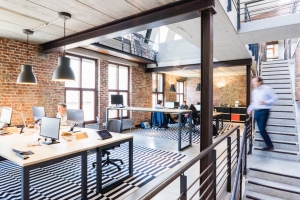
This isn’t a scam. It’s a structural reality.
A boutique agency in a major city carries $40K+ monthly overhead, salaries, rent, software, sales costs. A freelancer working remotely from Lisbon carries almost none of that. When you ask both for a five-page startup site, they’re quoting entirely different business operations, not just different levels of effort.
The $28K quote might include UX research, stakeholder presentations, and post-launch support. The $4K quote might be a template dressed up with your logo. Neither is dishonest. They’re just different products wearing the same label.
Understanding Web Design Services Pricing Models
There are three models you’ll encounter, and each carries different risks.
Fixed-price projects feel safe because you know the number upfront. The risk is scope creep. The moment you ask for one more revision or change your mind about the homepage, you’re either paying extra or silently degrading the relationship.
Hourly retainers give you flexibility but create budget anxiety. Without clear milestones, it’s easy to burn $8K with nothing launch-ready to show for it.
Equity-for-design deals exist with early-stage startups. Some studios take a small equity stake instead of cash, especially if they believe in the product. It requires genuine relationship-building, not just a tight budget.
What Your Startup Stage Should Actually Determine

This is where most web design services pricing guides fail you. They give ranges without connecting those numbers to any meaningful context.
At the pre-seed stage, your site’s job is simple: explain what you do and capture emails. You don’t need custom animations or a 12-page sitemap. Budget $2K-$6K, or less with the right no-code tool.
At the seed stage, investors will look at your site. This is when custom design starts to make sense, particularly for the homepage and investor-facing content. Budget $8K-$20K.
At Series A and beyond, your website becomes a genuine business asset supporting sales, recruiting, and PR. Budget $25K+, often ongoing.
The Hidden Costs Nobody Puts in the Proposal
Copywriting is the most common omission. Most agencies design around placeholder text, then hand you a site where the words don’t work. A good copy for a five-page startup site costs $1,500-$4,000 separately.
Photography is another line item that quietly doubles budgets. Stock photos that look generic will undermine even great design.
Hosting, CMS licensing, and ongoing maintenance are real costs that dont disappear after launch. Ask every agency for a 12-month total cost of ownership, not just the project fee.
How to Tell if a Quote Is Actually Fair

A fair proposal includes a detailed scope of work, a defined number of revision rounds, and a payment schedule tied to milestones rather than arbitrary dates. If any of these are missing, ask before signing.
If you want to see what a transparent agency engagement looks like in practice, it’s worth taking the time to visit the site of Mission Control, a web design agency that structures projects specifically around startup needs and growth stages. Seeing how a well-run agency presents its process is itself useful education, regardless of whether you hire them.
The Real Cost of Getting It Wrong
Overpaying for a website is annoying. Building the wrong website is genuinely expensive, in time, in credibility, and in the cost of doing it again.
The startups that spend their design budget wisely aren’t the ones who found the cheapest quote. They’re the ones who were clear about what they needed and chose a partner who understood their stage. Web design services pricing only makes sense in that context, not compared to a number you found in a generic listicle.
Your website isn’t a line item to minimize. Treat the budget accordingly.
FAQ
How much should a startup spend on a website?
It depends on your stage. Pre-seed startups can get an effective site for $2K-$6K. Seed-stage companies should budget $8K-$20K. Series A and beyond warrants $25K+ for a fully designed, scalable system.
Is a custom-designed website always better than a template?
No. For early-stage startups, a well-executed template with strong copy often converts better than a custom site with weak messaging.
Can I negotiate web design pricing?
Yes. The most effective lever isn’t asking for a lower rate, it’s reducing scope to fit your budget. Ask what can be phased into a second engagement.
What should a Statement of Work include?
A solid SOW specifies deliverables, the number of revision rounds, who owns the final files, and a clear change-order process for scope additions.
How long should a startup website project take?
A realistic timeline for a custom five-to-eight page site is six to twelve weeks. Agencies promising delivery in two weeks for a complex project are almost always cutting corners.
Final Thoughts
Web design pricing will always feel confusing until you stop asking how much and start asking what for. The number on a proposal means nothing without understanding what stage your company is at, what the site actually needs to do, and who is doing the work.
Most startups that overpay do so because they were vague. They showed up to agency conversations without a brief, without defined goals, and without knowing what questions to ask. The agency filled that vacuum with assumptions, and the budget reflected it.
The startups that get it right treat their website as a business decision, not a design exercise. They match the investment to the stage, pressure-test every proposal, and pick partners who understand the difference between a pre-seed landing page and a Series A growth engine.
Your website is often the first thing a potential customer, investor, or hire sees. Getting it right at the right price is absolutely possible. It just requires knowing what you are actually buying.

Leave a Reply
Want to join the discussion?Feel free to contribute!